



NEWS&EVENTS
Home > News&Events > Company news > Environmental Protection Measures for Tin Smelting in Rotary Furnace
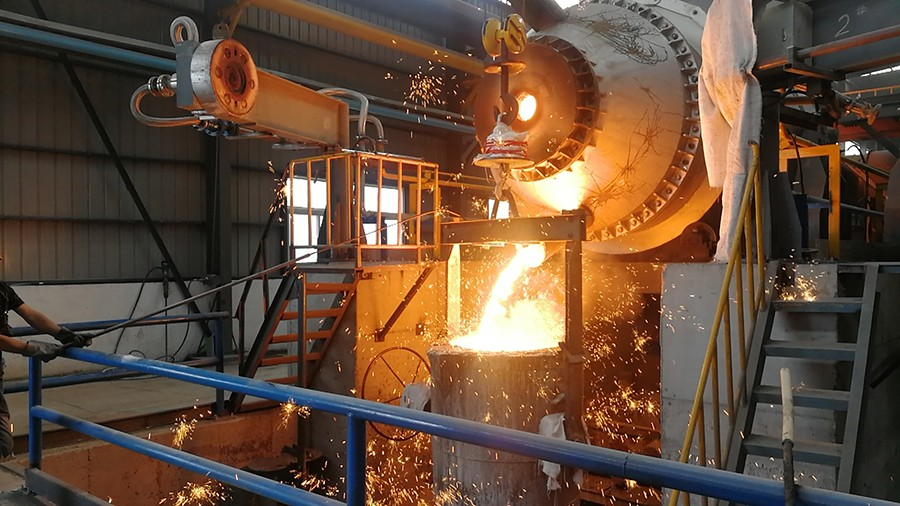
During the tin smelting process in a rotary furnace, high-temperature reactions and material handling generate pollutants such as dust and sulfur dioxide, which have a certain impact on the environment. To effectively reduce pollution and achieve green production, a series of environmental protection measures are crucial.
Installing bag filters is a key measure for controlling dust pollution. During the smelting process, large amounts of dust containing tin and other metal components are emitted with the flue gas. Bag filters, with their efficient filtration performance, effectively intercept this dust. When the dust-laden flue gas enters the dust collector, the dust is trapped on the surface of the filter bags, while the purified gas is discharged through the bags. This process not only significantly reduces dust emissions and atmospheric pollution, but also recovers valuable metal dust, enabling resource reuse and improving production efficiency.
Wet desulfurization is an effective means of combating sulfur dioxide pollution. Sulfur dioxide generated during the smelting process is a major atmospheric pollutant that contributes to acid rain and harms the ecological environment. Wet desulfurization technology achieves desulfurization by chemically reacting sulfur dioxide in the flue gas with a desulfurizer, converting it into stable substances such as sulfate. This method has high desulfurization efficiency and can effectively reduce sulfur dioxide emission concentration and alleviate the acidification impact on the atmospheric environment.
Waste heat recovery is a crucial step in reducing energy consumption and achieving energy conservation and emission reduction. The tin smelting process in a rotary furnace generates a large amount of high-temperature waste heat. Directly discharging this heat not only wastes energy but also increases the environmental heat load. Using waste heat recovery equipment, this heat can be converted into steam or electricity for use in heating and power generation during the production process, improving energy efficiency, reducing reliance on traditional energy sources, and lowering carbon emissions.
Environmental protection measures for tin smelting using the rotary furnace fire method, from dust control and sulfur dioxide treatment to waste heat recovery, comprehensively protect environmental safety during the production process and promote the development of the tin smelting industry in a green and sustainable direction.