



NEWS&EVENTS
Home > News&Events > Company news > Key steps in pretreatment of tin in rotary furnace pyrometallurgy
Pretreatment of tin in a rotary furnace pyrometallurgical smelting is a critical step in ensuring an efficient and stable smelting process. Its core goal is to adjust the raw material properties through physical and chemical means, improve the efficiency of the reduction reaction, and reduce impurity interference. The following are the key steps and technical highlights of pretreatment:
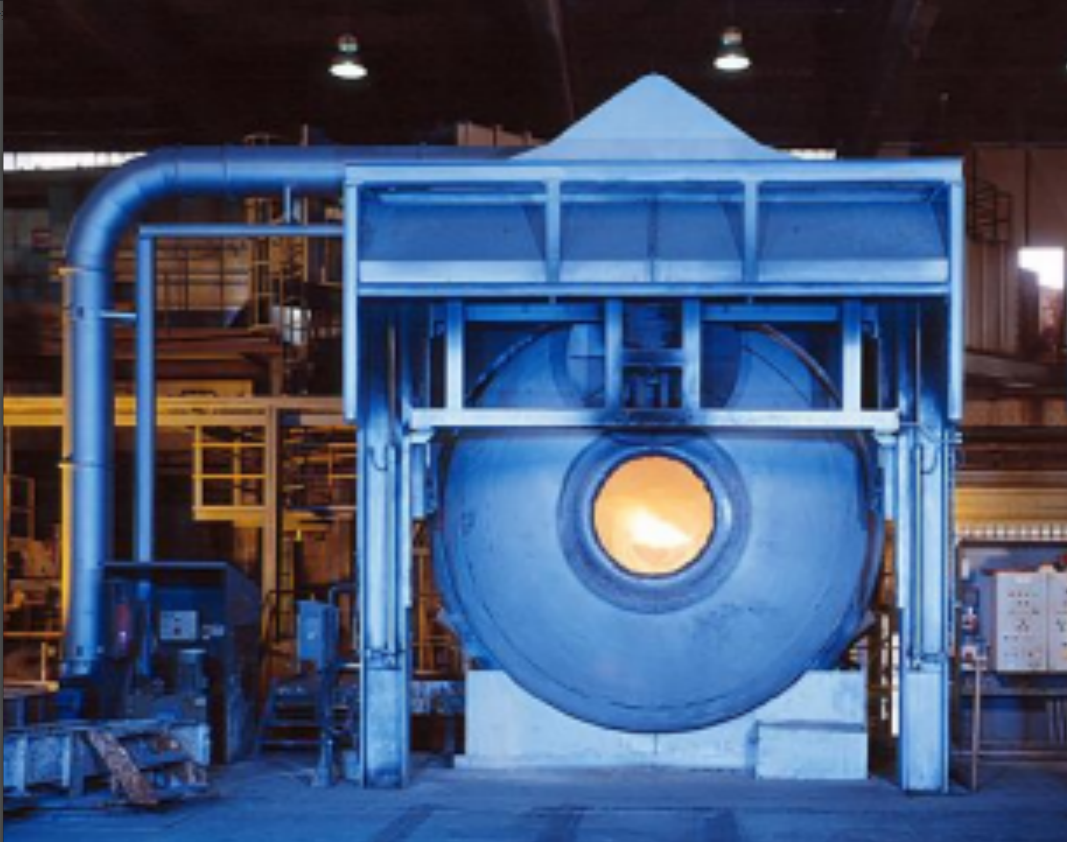
First, the raw materials are crushed and screened to an appropriate particle size of 20-100 mesh to increase the reaction surface area and promote the subsequent reduction reaction. During this process, a vibrating screen or drum screen is used to remove large impurities to prevent clogging of the rotary furnace feed inlet. A combination of a jaw crusher, cone crusher, and ball mill is commonly used.
Next, drying is performed to remove moisture from the raw materials to ≤5% to prevent evaporation at high temperatures, which could cause pressure fluctuations in the furnace and material spraying. Methods include hot air drying and indirect heating. The drying temperature must be strictly controlled to prevent premature reduction of tin oxides and material agglomeration.
During the batching and mixing process, reducing agents, solvents, and additives are added according to smelting requirements. A drum mixer is used to ensure a uniformity of ≥95%. Granulation or briquetting can improve charge permeability, prevent fines from being carried away by airflow, and enhance heat transfer efficiency. Disc granulation or high-pressure briquetting are common methods. Granulation increases charge porosity and accelerates the reduction reaction.
For materials with high tin oxide content or difficult to reduce, pre-reduction treatment can be used. Using a fluidized bed or rotary kiln can reduce the load in the main smelting stage. Pre-impurity removal can reduce harmful element contamination through methods such as magnetic separation, flotation, and gravity separation.
Pretreatment significantly impacts rotary furnace smelting performance. For example, insufficient crushing and screening can slow the reaction rate, while adequate treatment can increase direct yield. Incomplete drying can easily lead to accidents, while thorough drying can improve operational stability and reduce energy consumption.