



NEWS&EVENTS
Home > News&Events > Company news > Why can regenerative combustion aluminum melting furnaces effectively reduce metal burn-off?
Regenerative combustion aluminum melting furnaces have shown significant effectiveness in reducing metal burn-off, primarily due to their unique combustion mode and optimized furnace environment.
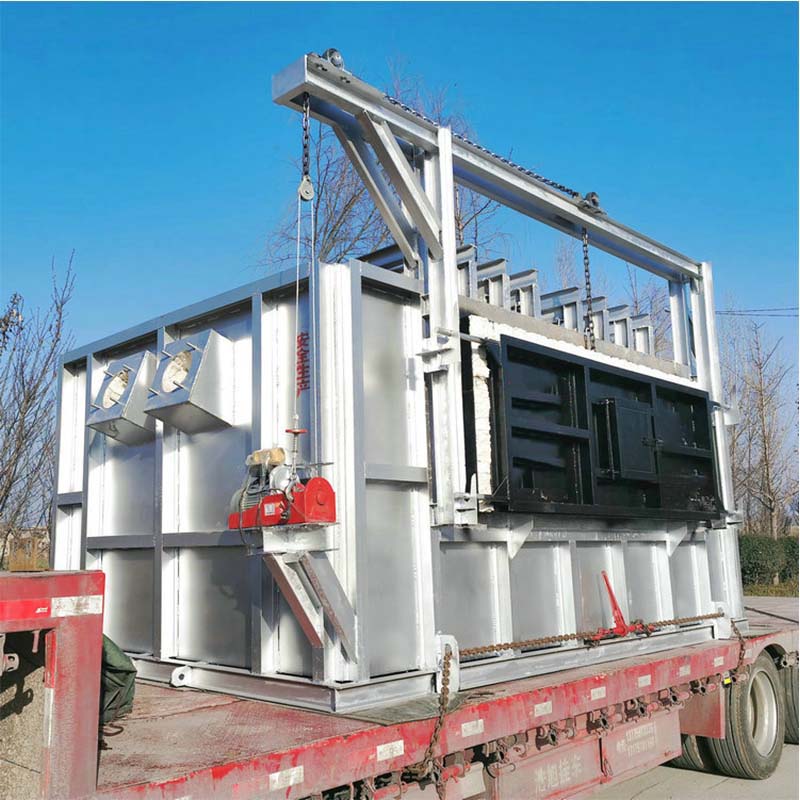
Regenerative combustion technology achieves a "lean combustion" or "low-oxygen combustion" state within the furnace. In traditional combustion methods, uneven oxygen supply and excessively high oxygen concentrations in localized areas lead to violent oxidation reactions with aluminum, resulting in increased burn-off. Regenerative combustion, by precisely controlling the air-fuel mixture ratio, allows combustion to occur in a relatively low-oxygen environment. This combustion state reduces the opportunity for aluminum to directly contact excess oxygen, inhibiting excessive oxidation at its source and thus reducing burn-off caused by oxidation.
Simultaneously, this technology effectively reduces localized high-temperature zones. Traditional combustion methods tend to create concentrated high-temperature areas, which accelerate aluminum oxidation and exacerbate burn-off. Regenerative combustion, through rational airflow organization, ensures uniform heat distribution, avoiding excessively high local temperatures and allowing aluminum to melt in a relatively mild and uniform temperature environment, slowing down the oxidation process.
Furthermore, a more uniform furnace atmosphere is another key factor. In traditional combustion furnaces, the flame directly impacts the fuel pile, causing a sudden rise in local temperature and concentrated oxygen supply, leading to severe aluminum oxidation. Regenerative combustion ensures good airflow circulation within the furnace, with uniform temperature and oxygen distribution. The flame does not directly and intensely impact the fuel pile, avoiding excessive oxidation caused by harsh local conditions. This keeps the aluminum burn-off rate at a low level, improving aluminum recovery rate and production efficiency while reducing production costs.