Hydrometallurgy, as an environmentally friendly metal extraction method, has demonstrated significant advantages in processing complex antimony ores and low-grade ores. This method achieves a balance between efficient resource recovery and environmental pollution control through mild chemical reaction conditions, making it particularly suitable for mineral resources that are difficult to process economically using traditional pyrometallurgical methods. Its processes are mainly divided into two technical routes: acidic hydrometallurgy and alkaline hydrometallurgy.
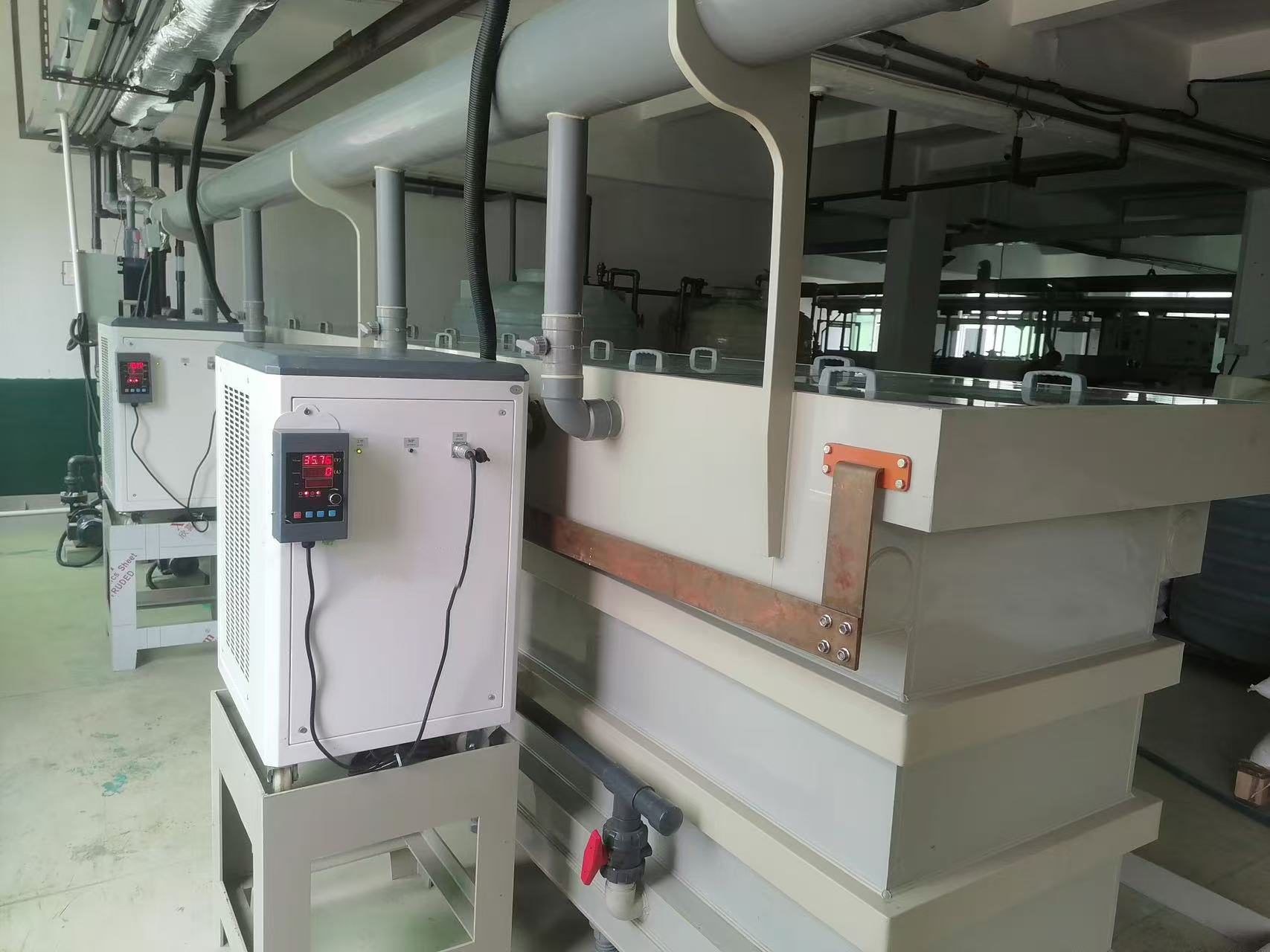
Acidic hydrometallurgy uses ferric chloride or chlorine as a leaching agent to selectively leach antimony in an acidic environment. This process effectively separates antimony from other impurity elements, allowing for the direct acquisition of metallic antimony via electrodeposition or the production of antimony white (antimony trioxide), widely used in flame retardants, through hydrolysis. This technology is highly adaptable to various ores, but the highly corrosive media imposes stringent requirements on the equipment materials.
Alkaline hydrometallurgy uses a mixed solution of sodium sulfide and sodium hydroxide as the leaching medium. It leverages the properties of antimony to form soluble complexes under alkaline conditions, achieving efficient extraction. Subsequent electrowinning yields high-purity metallic antimony. This method significantly reduces energy consumption, and the closed-loop design of the entire process minimizes sulfide pollutant emissions, embodying the concept of clean production.
With the development of materials science and automation technology, hydrometallurgy has broad application prospects in the field of antimony extraction. By optimizing leaching efficiency, innovating anti-corrosion materials, and simplifying the process, this green smelting technology will provide important support for the sustainable development and utilization of mineral resources, and promote the transformation and upgrading of the non-ferrous metals industry towards a more environmentally friendly and efficient direction.