



NEWS&EVENTS
Home > News&Events > Company news > Measures to Prevent Anode Slime Deposition and Blockage in Antimony Electrolytic Refining
In the antimony electrolytic refining process, anode slime is rich in valuable elements such as silver and gold, which have recycling value. However, its tendency to accumulate in the electrolytic cell and clog pipes severely hinders the smooth operation of the electrolytic process and the efficient recovery of valuable elements, necessitating effective measures.
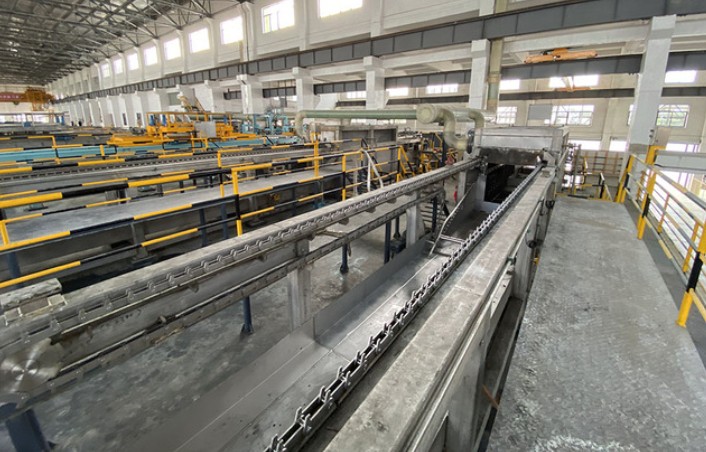
Optimizing the electrolytic cell structural design is a key step. Properly increasing the anode slime discharge channels can guide the anode slime to the collection device and prevent excessive accumulation at the bottom of the cell. For example, designing a sloped cell bottom with a dedicated slime discharge port allows gravity to naturally flow the anode slime to the collection point. Furthermore, implementing efficient collection devices ensures complete collection of the anode slime and reduces residual residue in the cell.
Precise control of electrolytic process parameters is also crucial. Current density and electrolyte flow rate directly influence the formation and deposition of anode slime. Excessively high current density accelerates anode dissolution, increasing the amount of anode slime produced; while too slow an electrolyte flow rate prevents the generated anode slime from being removed promptly. Therefore, it is necessary to experimentally determine the appropriate current density and electrolyte flow rate range to minimize the formation and deposition of anode slime while ensuring electrolysis efficiency.
Regular cleaning and maintenance of the electrolytic cell is essential to ensure the normal operation of the electrolysis process. A scientific and rational cleaning plan should be developed to promptly remove deposited anode slime to prevent it from clogging pipes and affecting electrolyte circulation.
In addition, establishing a comprehensive anode slime recovery and treatment process is crucial. Advanced separation and purification technologies can be used to efficiently extract valuable elements such as silver and gold from the anode slime, maximizing resource utilization.
A multi-pronged approach, including optimizing the electrolytic cell structure, controlling electrolysis parameters, performing regular cleaning and maintenance, and refining the recovery process, can effectively prevent anode slime deposition and clogging within the cell, ensuring the smooth progress of the antimony electrolytic refining process and achieving efficient recovery of valuable elements from the anode slime.